

Charting a Course to Decarbonization
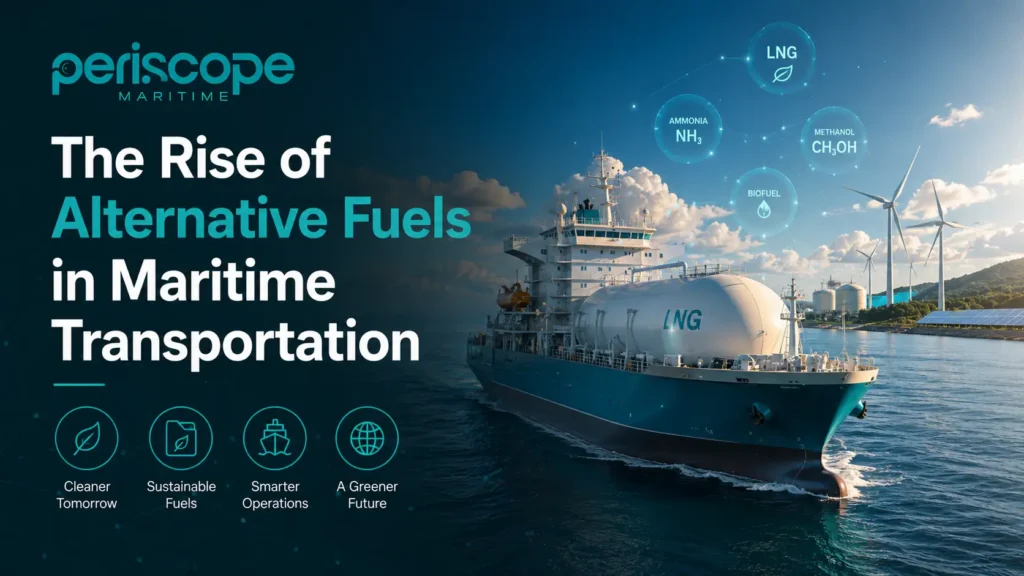
The maritime industry stands at the threshold of its most significant transformation since the transition from sail to steam. As pressure mounts to reduce greenhouse gas emissions and meet international climate targets, alternative fuels are emerging as the key to maritime decarbonization. This transition represents both a challenge and an opportunity for the global shipping industry.
The Decarbonization Imperative
The International Maritime Organization (IMO) has set ambitious targets for the industry:
- Reduce carbon intensity by 40% by 2030 (compared to 2008 levels)
- Achieve net-zero greenhouse gas emissions by 2050
- Reduce total annual GHG emissions by at least 50% by 2050
These targets, combined with increasing pressure from customers, investors, and regulators, are driving unprecedented investment in alternative fuel technologies and infrastructure.
Leading Alternative Fuel Options
Several alternative fuels are competing to become the dominant solution for maritime decarbonization:
Ammonia: The Zero-Carbon Pioneer
Green ammonia, produced using renewable energy, offers significant advantages for long-distance shipping:
Advantages:
- Zero carbon emissions when combusted
- High energy density suitable for ocean-going vessels
- Existing global production and distribution infrastructure
- No greenhouse gas emissions during production (when using renewable energy)
- Potential for cost-effective production at scale
Challenges:
- Toxicity requires specialized handling and safety systems
- Corrosive properties affect engine and fuel system materials
- Lower energy density compared to conventional fuels
- NOx emissions require advanced after-treatment systems
- Limited current production of green ammonia
Current Developments:
- MAN Energy Solutions developing ammonia-fueled engines
- Wärtsilä testing ammonia combustion technologies
- Major shipping companies ordering ammonia-ready vessels
- Pilot projects demonstrating ammonia bunkering
Hydrogen: The Clean Energy Carrier
Green hydrogen, produced through electrolysis using renewable energy, offers clean propulsion through fuel cells or combustion engines:
Advantages:
- Water is the only byproduct when used in fuel cells
- High efficiency in fuel cell applications (50-60%)
- Rapid refueling compared to battery charging
- Potential for on-board production using renewable energy
- Existing automotive fuel cell technology can be adapted
Challenges:
- Low volumetric energy density requires large storage tanks
- Cryogenic storage (-253°C) or high-pressure storage complexities
- Hydrogen embrittlement of metals
- High production costs for green hydrogen
- Limited bunkering infrastructure
Applications:
- Short-sea shipping and ferries
- Harbor vessels and tugs
- Cruise ships for auxiliary power
- Offshore service vessels
Methanol: The Transition Fuel
Green methanol, produced from renewable feedstocks, offers a pragmatic pathway to decarbonization:
Advantages:
- Liquid at ambient temperature, simplifying storage and handling
- Compatible with modified conventional engines
- Lower toxicity compared to ammonia
- Existing production and distribution infrastructure
- Can be produced from various renewable sources
Challenges:
- Lower energy density requires larger fuel tanks
- Corrosive properties require material modifications
- Formaldehyde emissions require after-treatment
- Limited availability of green methanol
- Higher costs compared to conventional fuels
Industry Adoption:
- Maersk ordering methanol-fueled container ships
- Stena Line operating methanol-powered ferries
- Multiple engine manufacturers offering methanol-compatible engines
- Growing number of methanol bunkering facilities
Advanced Biofuels
Sustainable biofuels offer near-term emission reductions with existing infrastructure:
Hydrotreated Vegetable Oil (HVO)
- Drop-in replacement for marine gas oil
- Up to 90% reduction in lifecycle CO2 emissions
- Compatible with existing engines and fuel systems
- Improving availability and cost competitiveness
Advanced Biofuels
- Produced from waste materials and non-food feedstocks
- Algae-based fuels with high energy density
- Synthetic biology approaches for custom fuel properties
- Power-to-liquid fuels using renewable electricity
Electric Propulsion
Battery-electric propulsion is gaining traction for specific applications:
Current Applications
- Short-distance ferries and passenger vessels
- Harbor tugs and pilot boats
- Small cargo vessels for coastal operations
- Hybrid systems for fuel efficiency improvement
Technology Developments
- Higher energy density battery technologies
- Faster charging systems and shore power integration
- Battery swapping systems for quick turnaround
- Integration with renewable energy sources
Infrastructure Requirements
The transition to alternative fuels requires massive infrastructure investment:
Production Infrastructure
- Renewable energy projects for green fuel production
- Electrolysis plants for hydrogen and ammonia production
- Biomass processing facilities for biofuel production
- Carbon capture and utilization for synthetic fuels
Bunkering Infrastructure
- New fuel storage and handling facilities at ports
- Specialized bunkering vessels and equipment
- Safety systems for handling toxic or flammable fuels
- Training for port personnel and crew members
Distribution Networks
- Global supply chains for alternative fuels
- Regional production hubs near major shipping routes
- Pipeline infrastructure for gaseous fuels
- Standardized fuel specifications and quality control
Economic Considerations
The economics of alternative fuels are rapidly evolving:
Cost Factors
- Fuel production costs varying by technology and scale
- Infrastructure investment requirements
- Engine and fuel system modification costs
- Operational efficiency changes
- Carbon pricing and regulatory incentives
Economic Incentives
- Green financing for alternative fuel projects
- Carbon offset revenues
- Regulatory compliance cost avoidance
- Customer premium for sustainable shipping
- First-mover advantages in emerging markets
Regulatory Landscape
Regulations are shaping the alternative fuel transition:
International Regulations
- IMO greenhouse gas strategy and reduction measures
- Fuel quality standards for alternative fuels
- Safety regulations for new fuel types
- Port state control requirements
Regional Initiatives
- EU Green Deal and Fit for 55 package
- FuelEU Maritime regulation
- National hydrogen strategies
- Port emission control areas
Implementation Strategies
Successful transition requires strategic planning:
Technology Selection
- Route-specific fuel analysis
- Operational profile assessment
- Infrastructure availability evaluation
- Cost-benefit analysis over vessel lifetime
- Risk assessment and mitigation strategies
Phased Implementation
- Pilot projects for technology validation
- Gradual fleet conversion programs
- Training and competency development
- Supply chain partnership development
- Performance monitoring and optimization
Future Outlook
The alternative fuel landscape will continue evolving:
Technology Maturation
- Improved fuel production efficiency and costs
- Enhanced engine technologies and fuel systems
- Better integration with renewable energy sources
- Advanced fuel handling and safety systems
Market Development
- Growing production capacity for alternative fuels
- Expanding bunkering infrastructure globally
- Standardization of fuel specifications and procedures
- Competitive pricing with conventional fuels
The transition to alternative fuels in maritime transportation is not just an environmental necessity but also an economic opportunity. Early adopters who successfully navigate this transition will be positioned to lead in the new maritime economy. Success will require careful technology selection, strategic partnerships, and phased implementation approaches that balance operational requirements with sustainability goals. The future of shipping is being written today, with alternative fuels as the key to unlocking a sustainable maritime industry.