

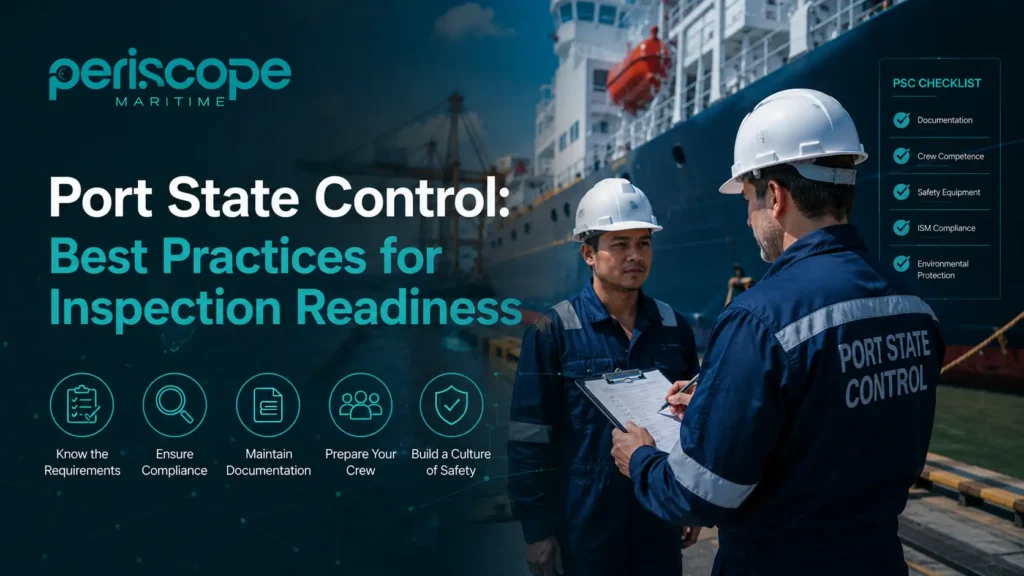
Mastering Port State Control Inspections
Port State Control (PSC) inspections are a critical component of maritime safety and regulatory compliance. These inspections ensure that foreign ships visiting a country’s ports comply with international safety, security, and environmental standards. Understanding and preparing for PSC inspections is essential for maintaining operational efficiency and avoiding costly detentions.
Understanding Port State Control
Port State Control represents the inspection of foreign ships in national ports to verify that the condition of the ship and its equipment comply with the requirements of international regulations and that the ship is manned and operated in compliance with these rules.
Key PSC Organizations
- Paris MoU: Europe and North Atlantic region
- Tokyo MoU: Asia-Pacific region
- US Coast Guard: United States waters
- Vina del Mar Agreement: Latin American countries
- Caribbean MoU: Caribbean region
- Mediterranean MoU: Mediterranean and Black Sea
- Indian Ocean MoU: Indian Ocean region
- Abuja MoU: West and Central Africa
- Black Sea MoU: Black Sea region
- Riyadh MoU: Arab States of the Gulf
Inspection Triggers and Selection Criteria
Understanding what triggers an inspection helps in preparation:
Ship Risk Profile
- High Risk Ships (HRS): Inspected on every port call
- Standard Risk Ships (SRS): Inspected based on priority factors
- Low Risk Ships (LRS): Inspected less frequently
Priority Factors
- Ship age and type
- Flag state performance
- Classification society performance
- Company performance
- Ship inspection history
- Time since last inspection
- Port state priorities
Additional Triggers
- Accident or incident reports
- Pollution observations
- Crew complaints or reports
- Ship appearance and maintenance
- Document discrepancies
- Concentrated inspection campaigns
Common Inspection Areas and Deficiencies
Focus preparation on the most frequently cited areas:
Safety Management System (SMS)
- ISM Code compliance
- Safety management certificate validity
- Non-conformity records and corrective actions
- Management review and audit trails
- Crew familiarity with SMS procedures
Fire Safety
- Fire detection and alarm systems
- Fire extinguishing systems
- Emergency escape routes
- Fire doors and structural fire protection
- Fire drills and crew competency
Life Saving Appliances
- Lifeboat and life raft condition
- Life jacket availability and condition
- Immersion suits and thermal protective aids
- Launching and recovery systems
- Emergency equipment inventories
Navigation and Communication
- Bridge equipment functionality
- Chart corrections and publications
- GMDSS equipment and batteries
- Voyage data recorder
- Electronic chart systems
Maritime Labour Convention (MLC)
- Crew accommodation standards
- Working and rest hours
- Health and safety conditions
- Wage and repatriation security
- Social security coverage
Preparation Strategies
Systematic preparation is key to successful inspections:
Documentation Management
- Maintain current and valid certificates
- Organize documents in logical order
- Ensure translations are available where required
- Keep digital copies as backups
- Track expiration dates and renewal requirements
Equipment Maintenance
- Implement preventive maintenance programs
- Conduct regular equipment tests and inspections
- Maintain detailed maintenance records
- Address deficiencies promptly
- Keep spare parts inventories current
Crew Training and Competency
- Regular safety drills and exercises
- Equipment operation training
- Emergency procedure familiarization
- Language proficiency verification
- Competency certificate validation
During the Inspection
Professional conduct during inspections can influence outcomes:
Inspector Reception
- Designate a knowledgeable escort officer
- Provide clear ship layout information
- Offer safety briefing and PPE
- Maintain professional and cooperative attitude
- Prepare refreshments and facilities
Documentation Presentation
- Present documents in organized manner
- Provide explanations when requested
- Highlight recent improvements or upgrades
- Show maintenance and inspection records
- Demonstrate crew competency
Equipment Demonstrations
- Ensure crew can operate all systems
- Conduct equipment tests confidently
- Explain system functions and limitations
- Show maintenance and testing records
- Address any equipment issues honestly
Managing Deficiencies
When deficiencies are identified, proper response is crucial:
Understanding Deficiency Types
- Minor deficiencies: Must be corrected before departure
- More serious deficiencies: Ship may sail but must address before next port
- Serious deficiencies: May result in detention until corrected
Response Strategies
- Acknowledge deficiencies professionally
- Propose realistic correction timelines
- Arrange for necessary repairs or parts
- Document corrective actions taken
- Request re-inspection when appropriate
Post-Inspection Follow-up
Learning from inspections improves future performance:
Deficiency Analysis
- Analyze root causes of deficiencies
- Identify systemic issues
- Implement preventive measures
- Share lessons learned with fleet
- Update procedures and training
Performance Tracking
- Monitor ship’s PSC performance
- Track deficiency trends
- Compare with industry benchmarks
- Set improvement targets
- Report to management and stakeholders
Technology and Digital Solutions
Modern technology can enhance inspection readiness:
Digital Documentation Systems
- Electronic document management
- Automated renewal reminders
- Digital signature capabilities
- Cloud-based backup systems
- Mobile access for inspectors
Inspection Management Software
- Inspection scheduling and tracking
- Deficiency management systems
- Performance analytics and reporting
- Benchmark comparisons
- Integration with maintenance systems
Regional Considerations
Different regions may have specific requirements:
Regional Variations
- Local inspection procedures
- Specific documentation requirements
- Regional campaign focuses
- Language requirements
- Cultural considerations
Staying Informed
- Monitor PSC website updates
- Subscribe to maritime authority bulletins
- Participate in industry forums
- Engage with local agents and representatives
- Attend training and seminars
Successful Port State Control inspection preparation requires a comprehensive approach combining proper documentation, equipment maintenance, crew competency, and professional conduct. By understanding inspection procedures, focusing on common deficiency areas, and implementing systematic preparation strategies, ships can minimize the risk of detention while demonstrating their commitment to maritime safety and environmental protection. Regular review and continuous improvement of inspection readiness processes will help maintain a strong PSC performance record and support operational efficiency.